Hydraulic liftgate failures can lead to costly downtime and safety risks. Learn the common causes, warning signs, maintenance strategies, and repair considerations fleet managers need to keep operations running efficiently.
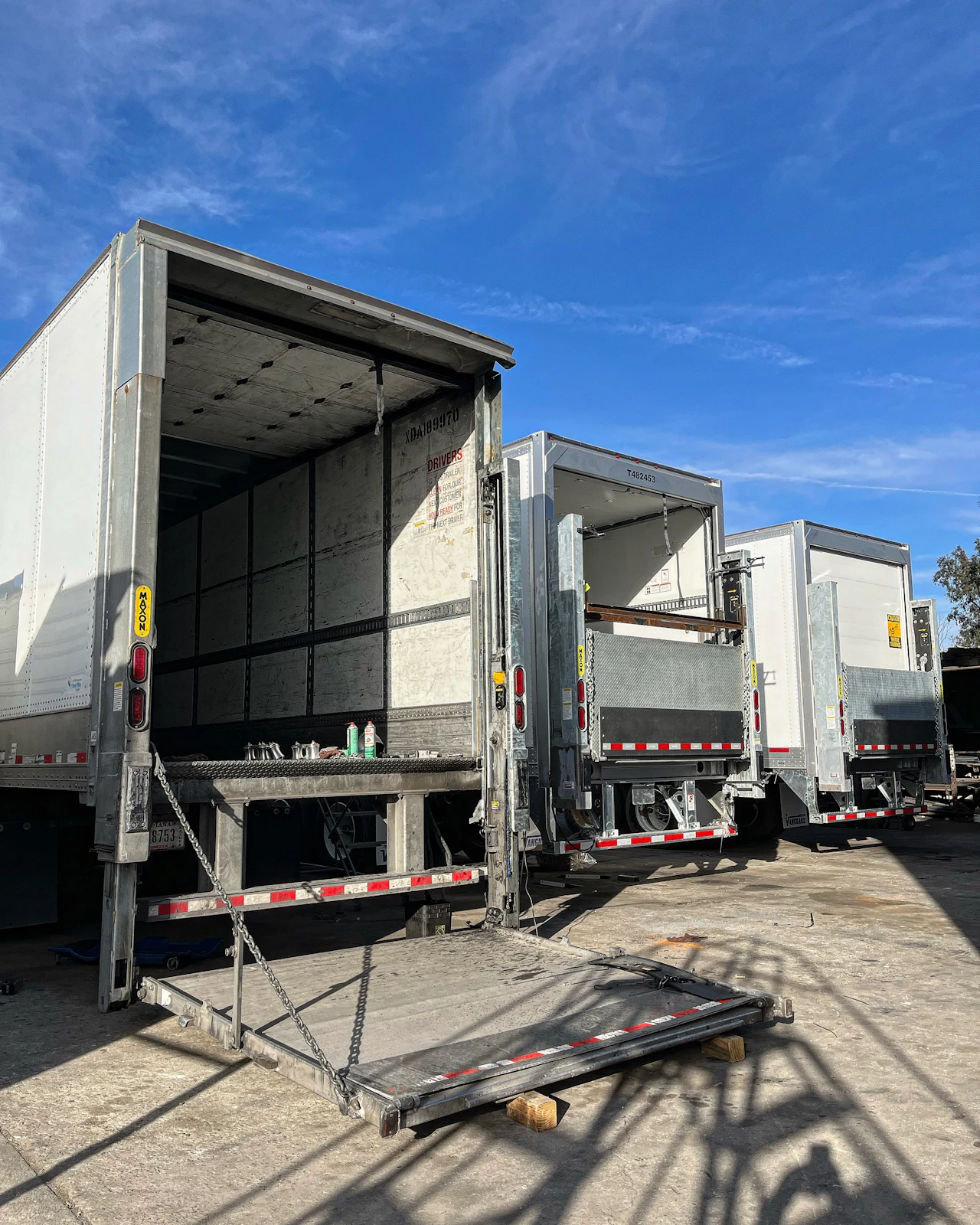
Hydraulic liftgates are critical assets for fleets that rely on efficient loading and unloading operations. From delivery trucks and box trucks to specialized service vehicles, liftgates improve productivity, reduce manual handling, and help protect workers from injury.
Understanding How Hydraulic Liftgates Work
A hydraulic liftgate uses hydraulic pressure to raise and lower a platform attached to the rear of a truck. The system allows operators to move heavy cargo between ground level and the truck bed safely and efficiently.
Several key components work together to make this process possible:
- Hydraulic Power Unit: The hydraulic power unit consists of an electric motor, hydraulic pump, fluid reservoir, and control valves. When activated, the motor drives the pump, creating hydraulic pressure that powers the liftgate.
- Hydraulic Cylinders: Hydraulic cylinders convert fluid pressure into mechanical movement. These cylinders extend and retract to raise, lower, fold, or tilt the platform depending on the liftgate design.
- Hydraulic Hoses and Fittings: Hydraulic fluid travels through a network of hoses and fittings. These components must remain sealed and free from damage to maintain proper operating pressure.
- Electrical System: The liftgate relies on electrical power supplied by the vehicle's battery and charging system. Wiring, switches, relays, and control modules all play important roles in operation.
- Platform Assembly: The platform provides the lifting surface for cargo. Hinges, pins, bushings, and structural components must withstand significant weight and repeated use.
Common Hydraulic Liftgate Problems
Like any piece of heavy-duty equipment, hydraulic liftgates experience wear over time. Understanding common issues helps fleet managers identify problems before they result in complete failure.
Hydraulic Fluid Leaks
Hydraulic fluid leaks are among the most frequent liftgate repairs. Leaks can develop from worn seals, cracked hoses, damaged fittings, or deteriorated cylinders.
Signs of hydraulic leaks include:
- Visible fluid underneath the vehicle
- Slow platform movement
- Reduced lifting power
- Frequent need for fluid top-offs
- Air entering the hydraulic system
Ignoring leaks can lead to pump damage, overheating, and complete hydraulic system failure.
Liftgate Won't Raise or Lower
A liftgate that refuses to move may indicate several underlying issues.
Potential causes include:
- Failed hydraulic pump
- Low hydraulic fluid levels
- Electrical power loss
- Damaged control switches
- Faulty solenoids
- Air trapped in the hydraulic system
Accurate diagnostics are essential because both hydraulic and electrical faults can produce similar symptoms.
Slow or Jerky Operation
When a liftgate moves unevenly or operates slower than normal, the problem often points to restricted hydraulic flow or system contamination.
Common causes include:
- Dirty hydraulic fluid
- Clogged filters
- Worn hydraulic cylinders
- Internal valve issues
- Air contamination within the system
Addressing these concerns early helps prevent additional damage to expensive hydraulic components.
Electrical System Failures
Hydraulic liftgates depend heavily on electrical power. Corroded connections, damaged wiring, weak batteries, and failed switches can all prevent proper operation. Electrical issues frequently occur because liftgates are exposed to moisture, road debris, and constant vibration.
Structural Wear and Damage
The liftgate platform and supporting framework endure significant stress throughout their service life.
Common structural concerns include:
- Cracked welds
- Bent platform sections
- Worn hinge pins
- Damaged rollers
- Corrosion-related deterioration
Structural issues should never be ignored, as they can compromise both safety and lifting capacity.
Warning Signs Fleet Managers Should Monitor
Identifying early warning signs can significantly reduce repair costs and prevent unexpected breakdowns.
Watch for:
- Unusual grinding, squealing, or banging noises
- Hydraulic fluid residue around cylinders or hoses
- Slower lift speeds
- Platform sagging under load
- Inconsistent operation
- Warning lights or fault codes
- Visible corrosion or structural damage
Drivers should be trained to report these symptoms immediately so repairs can be scheduled before failures worsen.
The Importance of Preventive Maintenance
Preventive maintenance remains the most effective way to maximize liftgate reliability and reduce emergency repairs. A comprehensive maintenance program should include routine inspections of all hydraulic, electrical, and structural components.
Regular Hydraulic System Inspections
Hydraulic systems should be checked routinely for:
- Fluid level and condition
- Hose wear
- Seal integrity
- Cylinder performance
- Pump operation
- Fitting tightness
Contaminated hydraulic fluid can accelerate wear throughout the system, making fluid condition monitoring particularly important.
Electrical Component Testing
Routine electrical inspections help identify issues before they create operational failures.
Maintenance technicians should inspect:
- Battery connections
- Wiring harnesses
- Switches
- Solenoids
- Circuit protection devices
- Ground connections
Proper electrical performance is essential for dependable liftgate operation.
Lubrication of Moving Components
Liftgate hinges, pins, rollers, and pivot points require regular lubrication to reduce friction and wear. Neglecting lubrication can increase stress on hydraulic components while accelerating mechanical deterioration.
Structural Inspections
Regular inspections should focus on:
- Weld integrity
- Platform condition
- Corrosion development
- Mounting hardware
- Frame attachments
Early detection of structural damage can prevent costly repairs and safety incidents.
Safety Risks Associated with Liftgate Failures
Hydraulic liftgate failures create more than operational inconveniences. They can also present serious safety hazards.
Potential risks include:
- Falling cargo
- Operator injuries
- Equipment damage
- Vehicle downtime
- Workplace accidents
- Regulatory violations
Fleet managers should ensure all liftgates receive regular inspections and that operators follow manufacturer safety procedures during use.
Repair Versus Replacement Considerations
Eventually, fleet managers must decide whether repairing or replacing a liftgate is the better investment.
Several factors influence this decision:
- Age of the Equipment: Older liftgates often experience increasing repair frequency. If multiple major components are approaching end-of-life, replacement may provide better long-term value.
- Repair Costs: When repair costs begin approaching a significant percentage of replacement value, upgrading to a new liftgate may become more economical.
- Parts Availability: Some older liftgate models have limited parts availability, resulting in extended downtime while replacement components are sourced.
- Operational Requirements: Fleet needs may evolve over time. Upgrading to newer liftgate technology can improve lifting capacity, efficiency, safety features, and reliability.
Best Practices for Fleet Managers
Effective liftgate management involves more than simply responding to breakdowns.
Successful fleet managers typically:
- Establish scheduled inspection intervals
- Train drivers to recognize warning signs
- Maintain detailed maintenance records
- Address minor issues promptly
- Use qualified technicians for repairs
- Follow manufacturer service recommendations
- Monitor hydraulic fluid condition regularly
A proactive approach reduces downtime and helps maximize return on equipment investments.
Keep Your Liftgates in Top Shape
Common issues such as hydraulic leaks, electrical failures, worn structural components, and fluid contamination can quickly lead to costly downtime if left unaddressed.
For professional hydraulic liftgate inspections, maintenance, and repairs throughout Riverside and LA County, CA, contact A Plus Mobile Maintenance to keep your fleet operating safely and efficiently.

Contact A Plus Mobile Maintenance
Get in touch with A Plus Mobile Maintenance today for mobile truck repair and fleet services. We provide service to San Bernardino, Riverside County, Los Angeles County, Orange County, Anaheim, & more!